

 CADILLAC
 CADILLAC
 Assomption
Architects
Longpré, Marchand, Goudreau, Dobush, Stewart et Bourke

Artist

Start of service
June 6, 1976

Art & Architecture
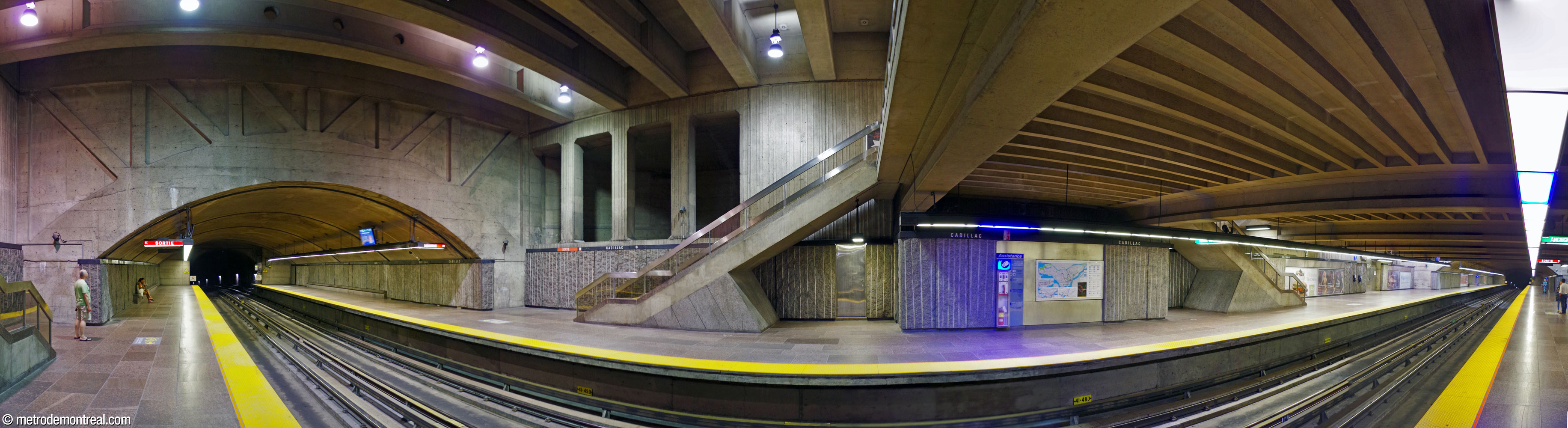
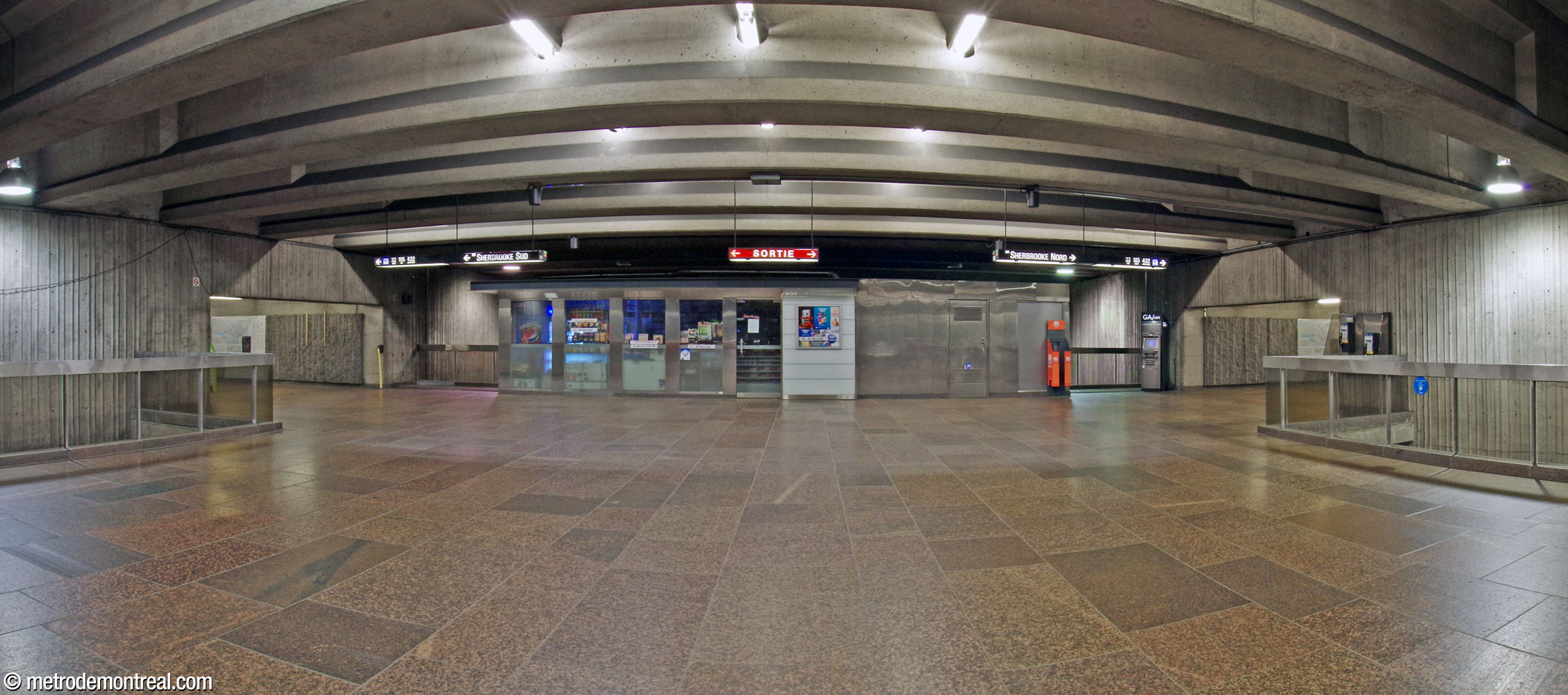
This station is built according to a symmetrical, modernist plan, whose forms and decor are sober to the point of being dull. The trainroom consists of a rectangular cut-and-cover volume about a third of the station’s total length, with mined sections projecting from either end.

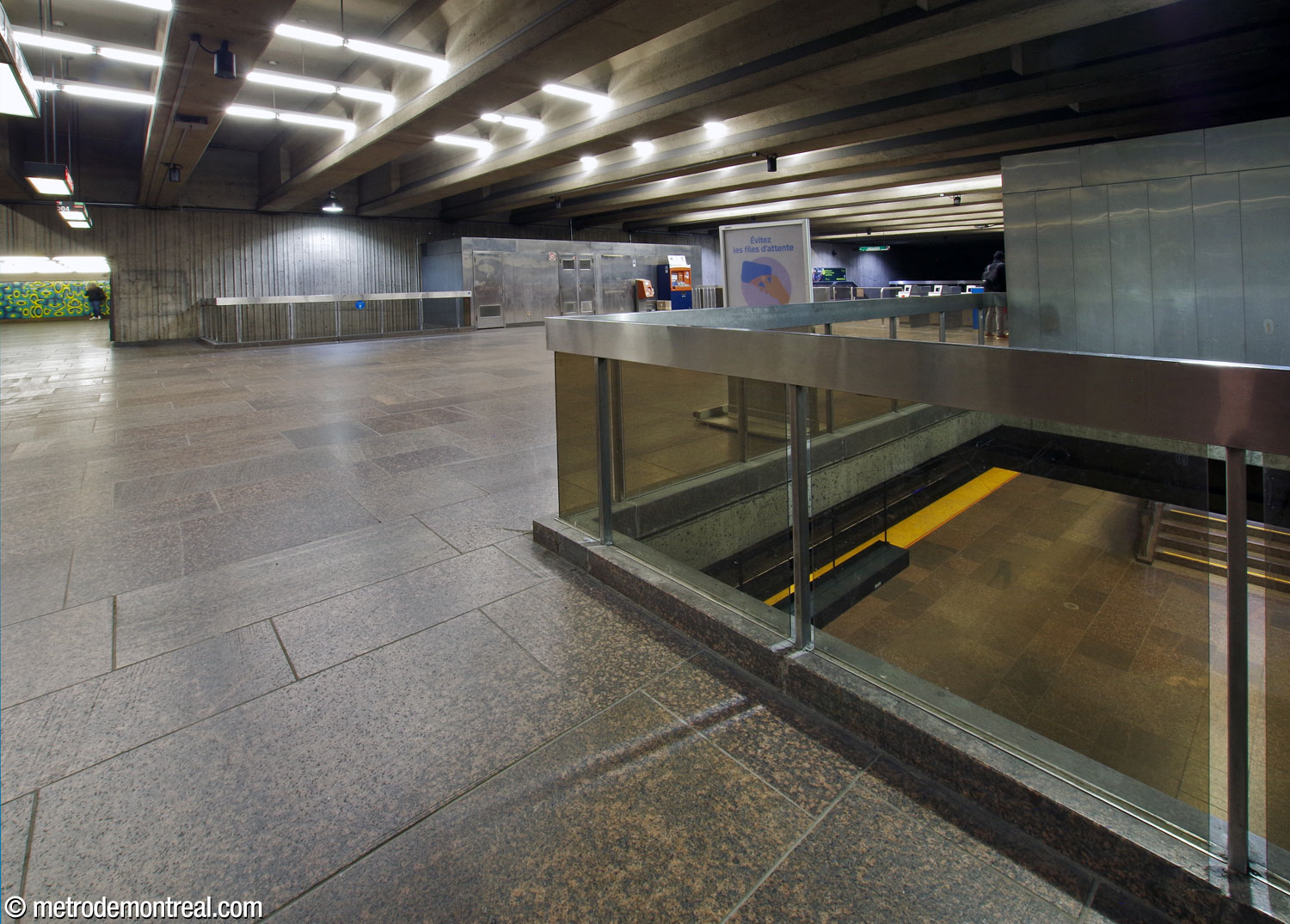
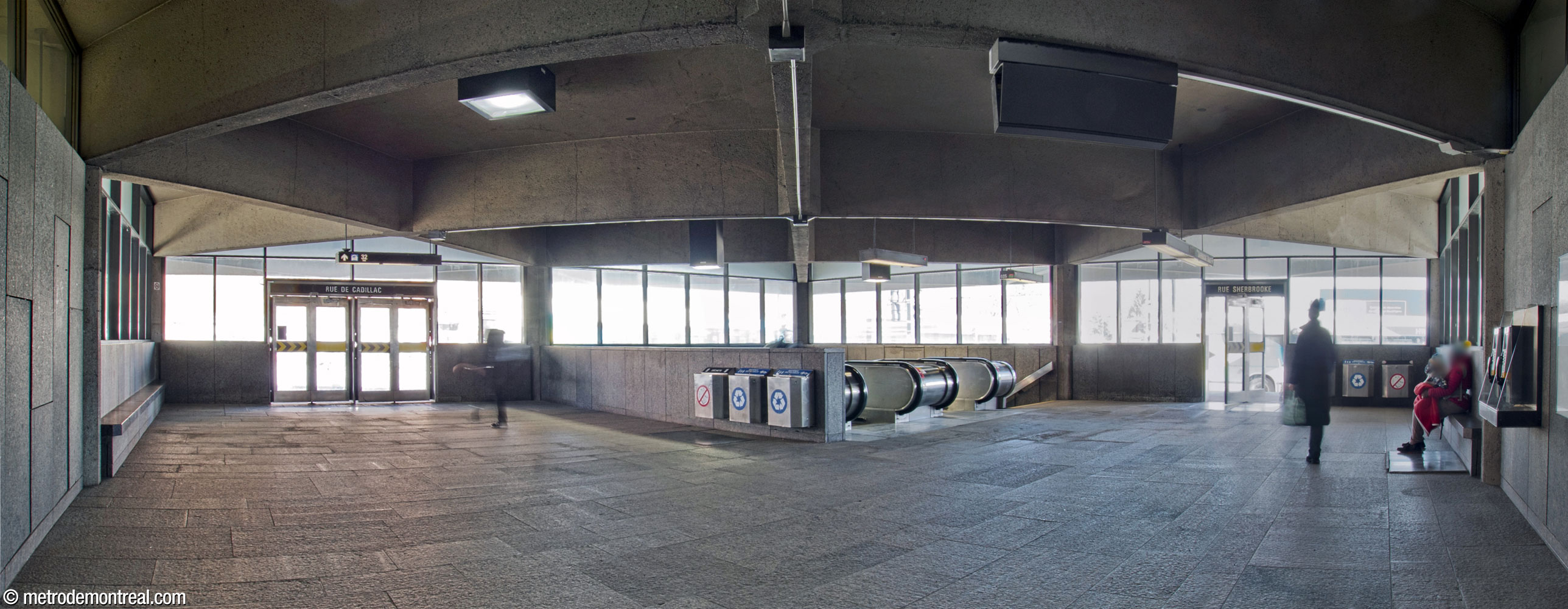
The cut-and-cover volume contains the ticket hall mezzanine; each platform is connected to it by two staircases. Each pair of staircases is arranged symmetrically, emphasizing the staircases’ monolithic triangular feet, one of the few really striking architectural gestures in the station.
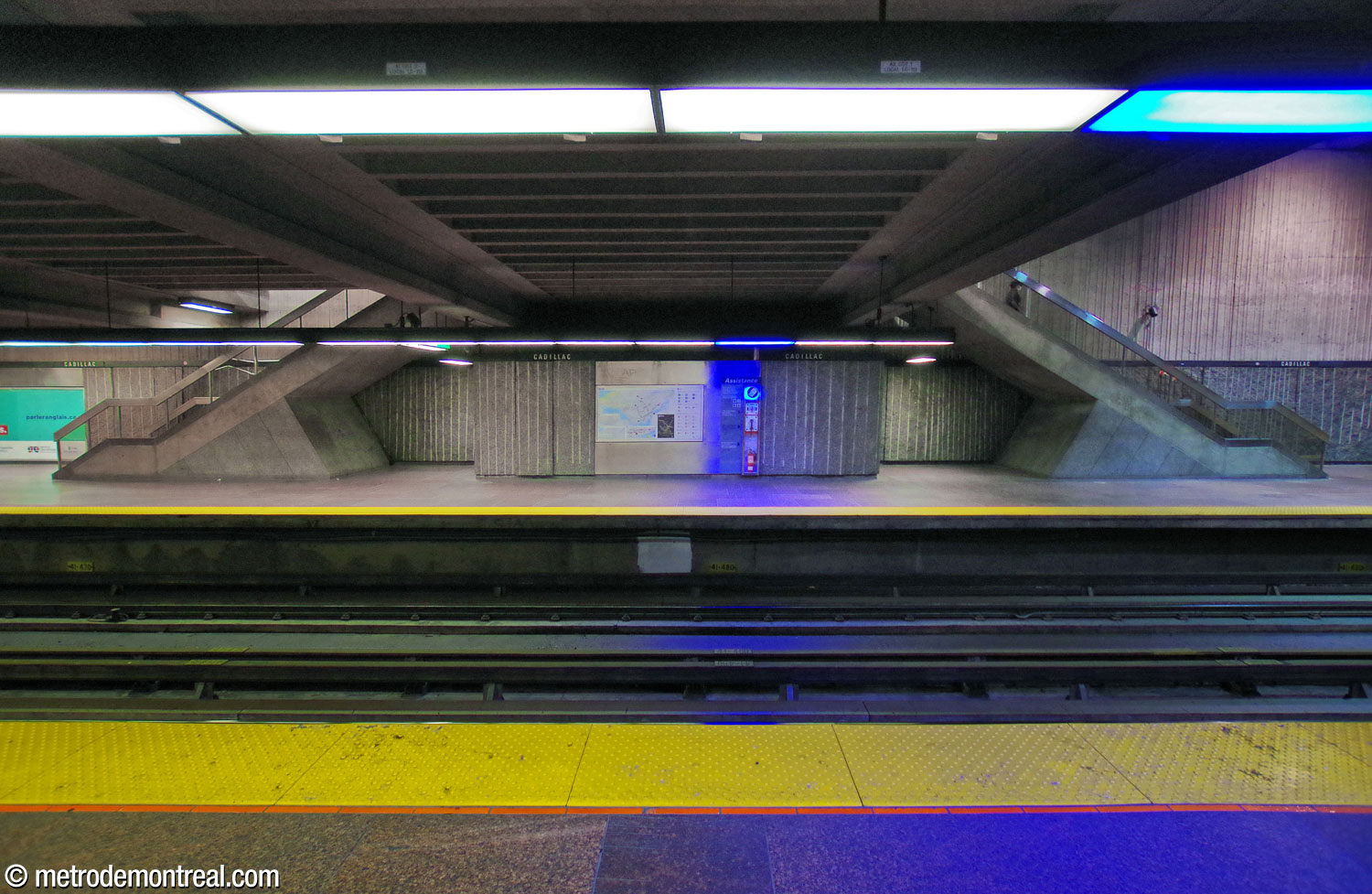
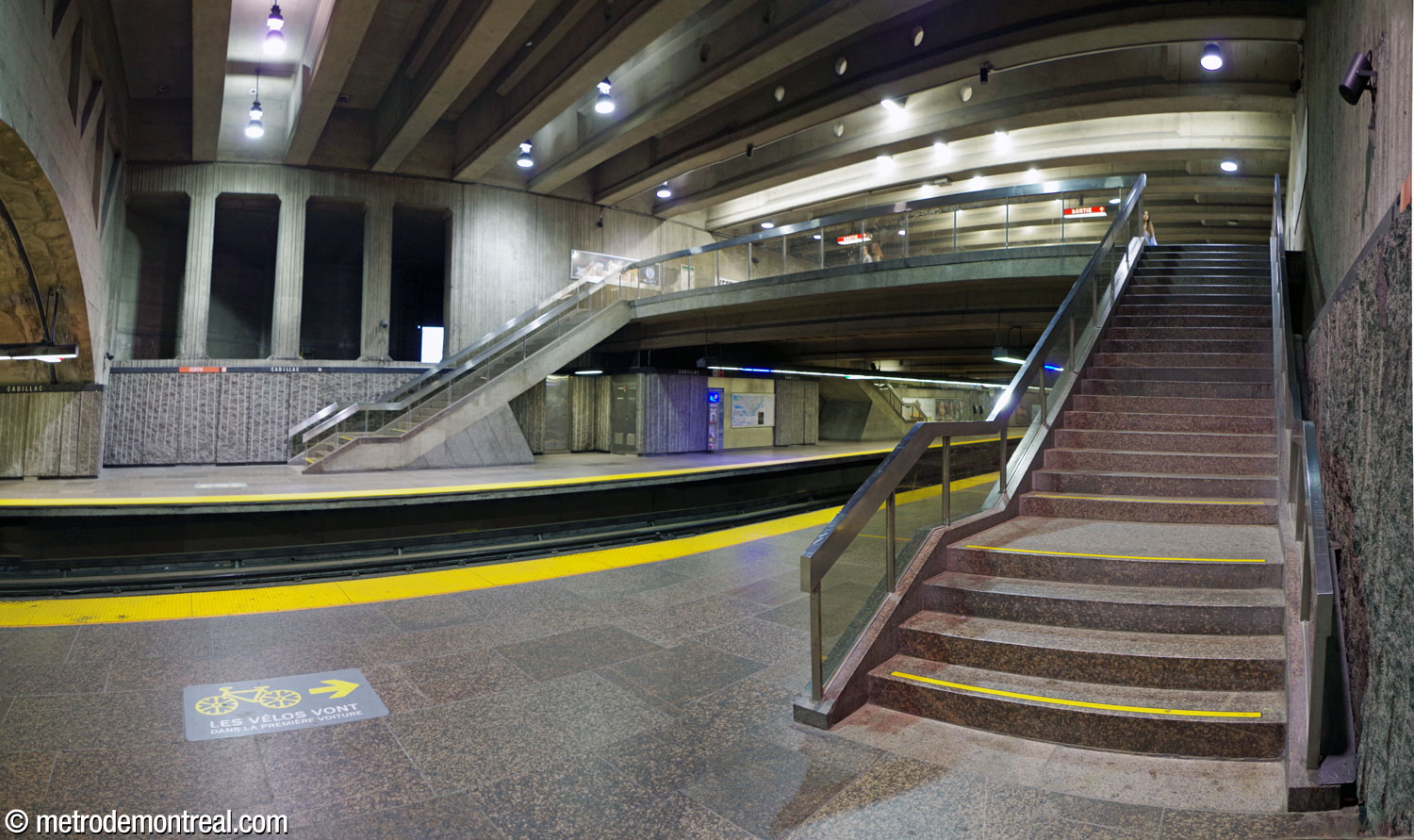
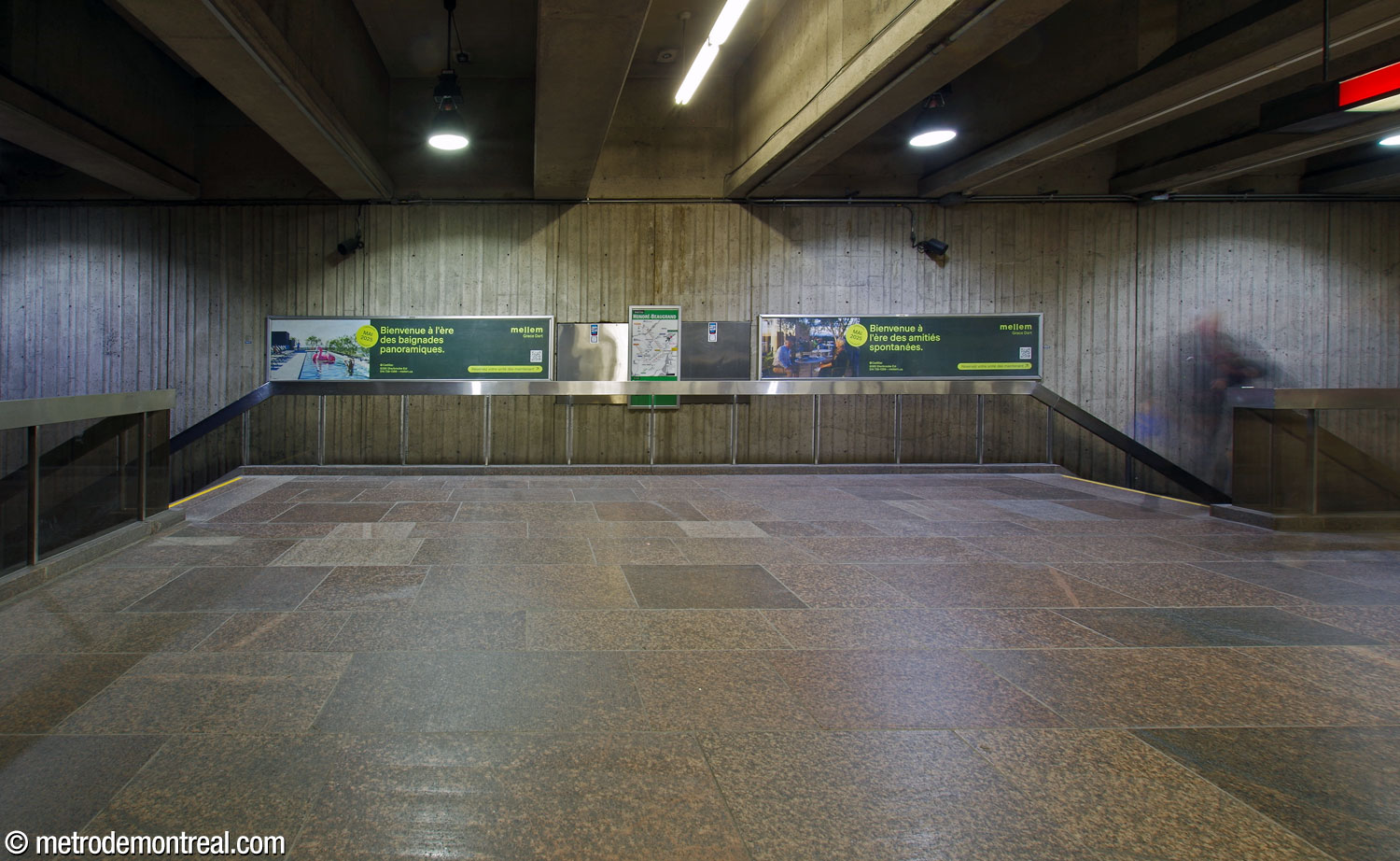
The fare-paid zone of the ticket hall ends in a parapet overlooking the platforms. The spandrel wall it faces, and its counterpart at the other end of the cut-and-cover volume, are decorated with triangular shapes resembling structural framing. The volume over the platforms is also punctuated by the looming presence of air vents above the Honoré-Beaugrand platform.
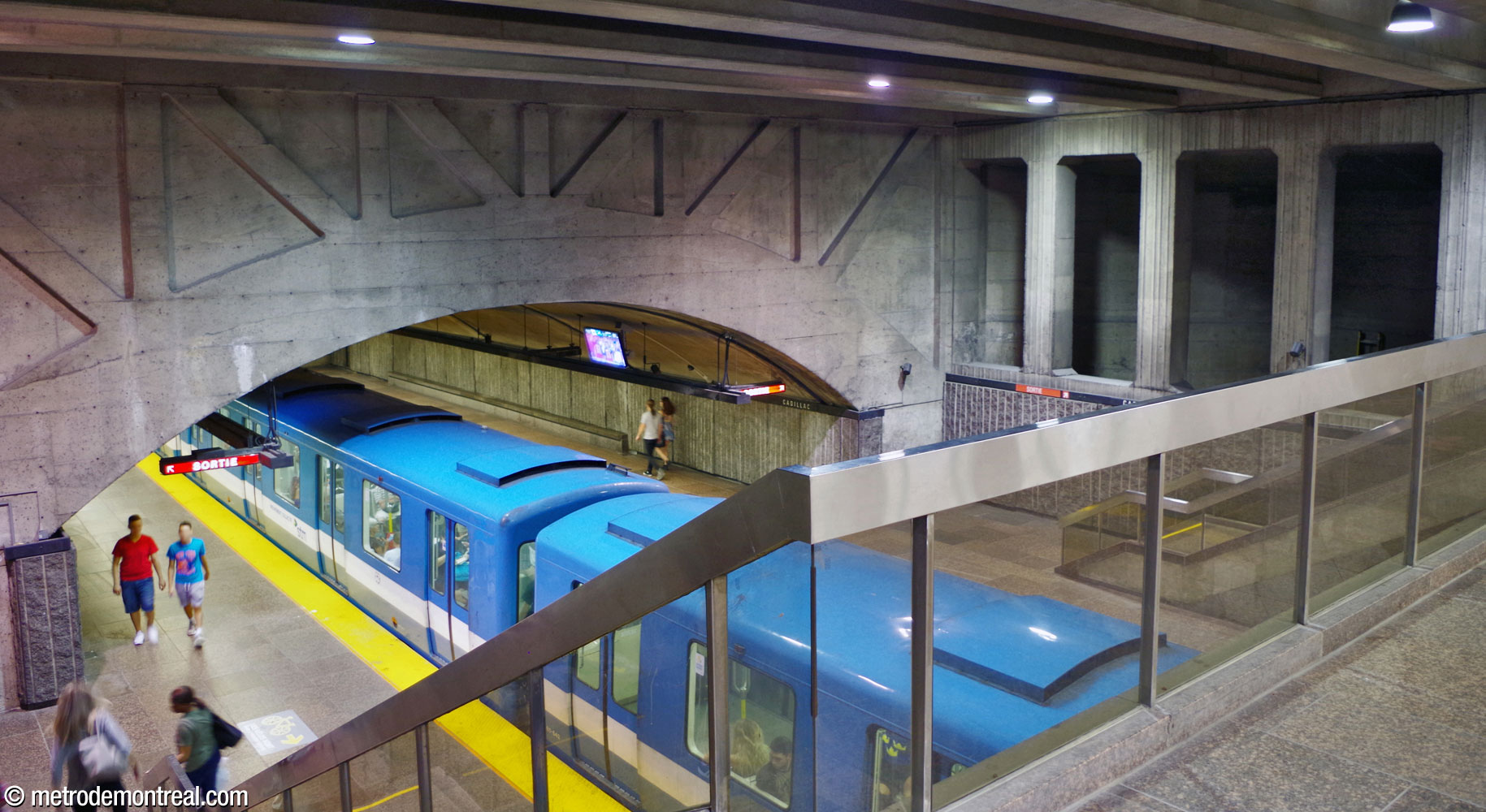
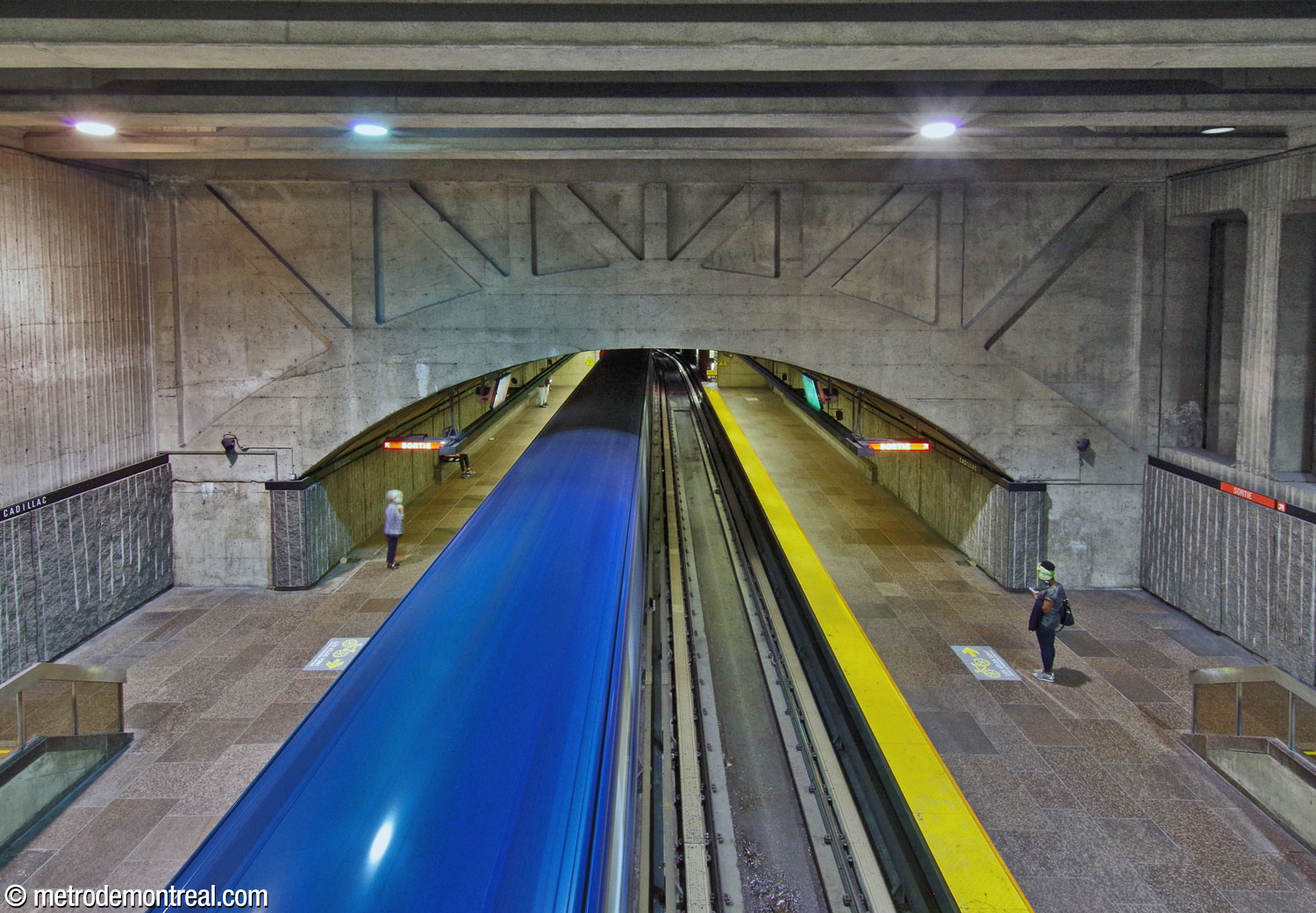
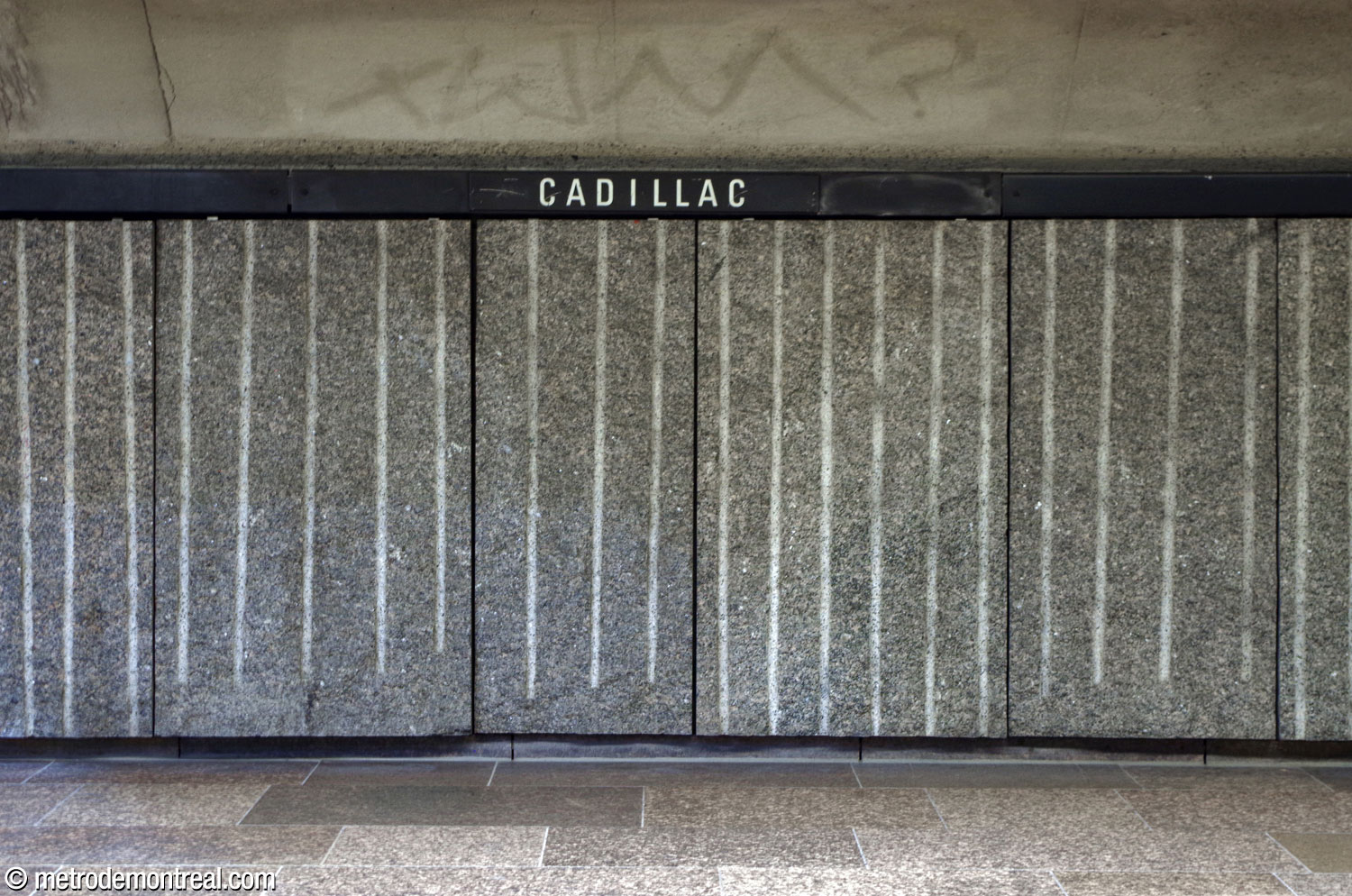
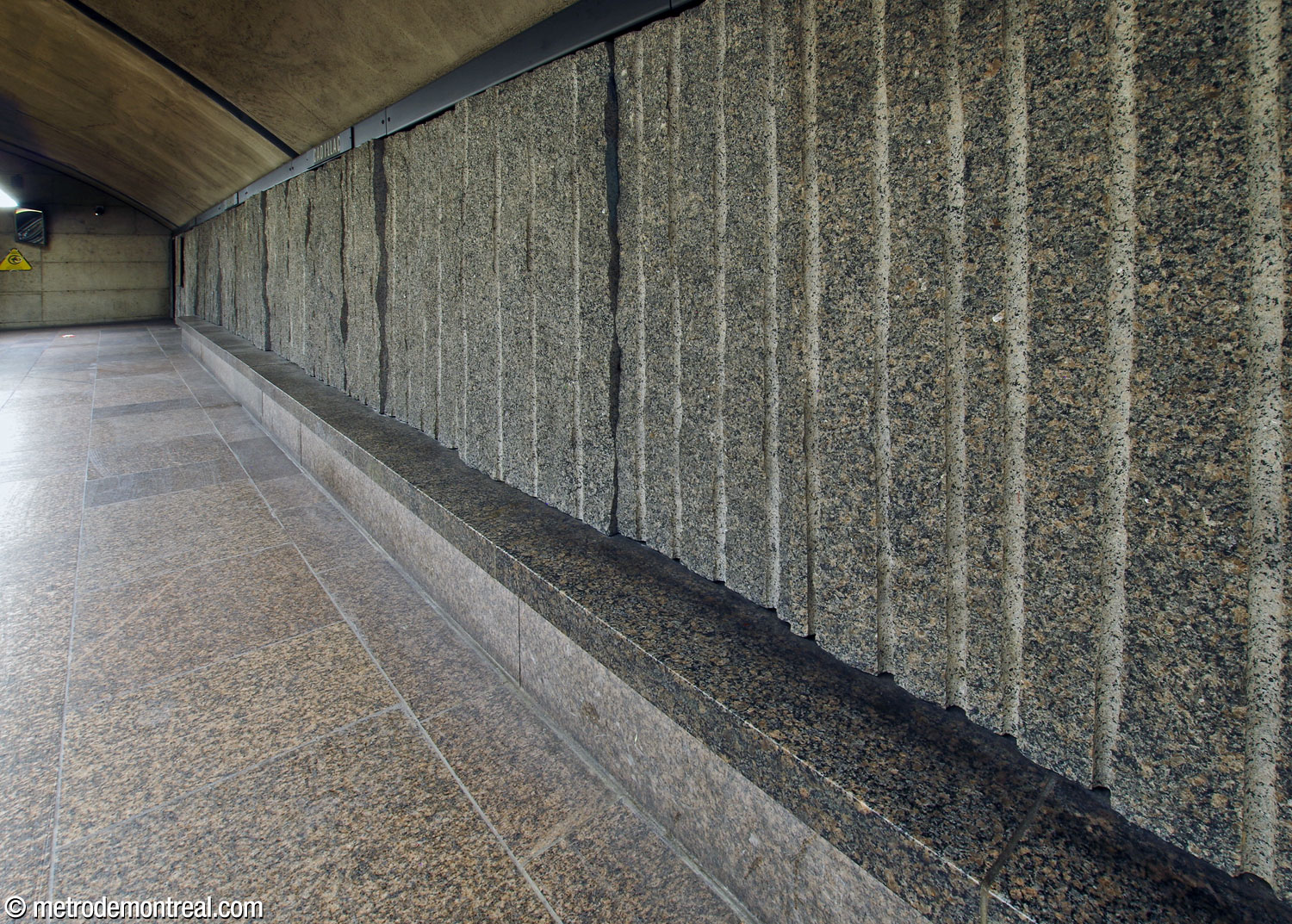
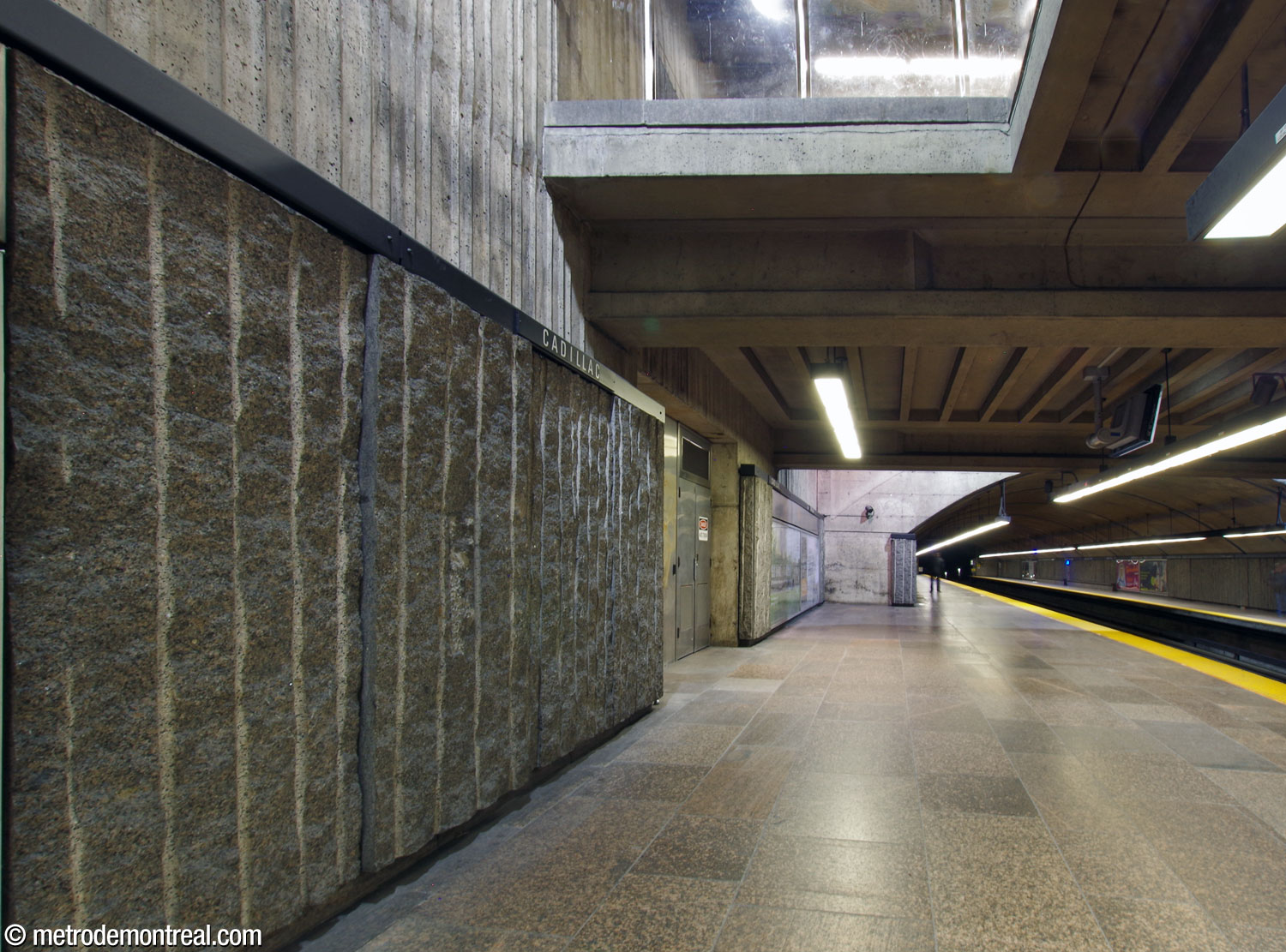
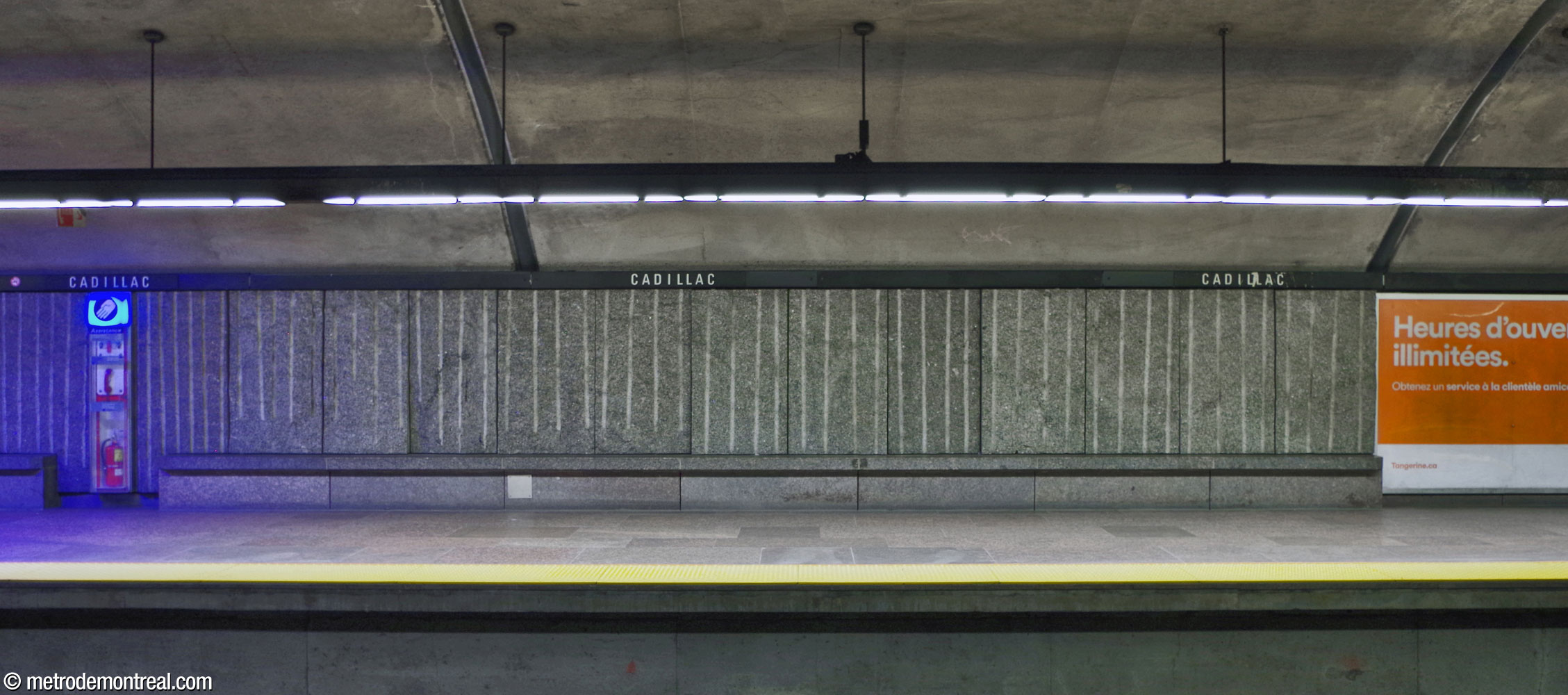
Virtually all the decor is in sombre, neutral materials. The walls are ridged concrete, with dado panels of dark grey rough granite marked with vertical striations, and placed at uneven depths; smooth panels are used instead in parts of the accesses and in the headhouses. The long and somewhat shallow benches on the platforms and in the headhouses are also in the same granite. The floors are done in grey-brown granite. The balustrades of the stairs and parapets are in glass with stainless steel trim. On the mezzanine, the walls of the concession and employee areas in the mezzanine are in polished stainless steel.
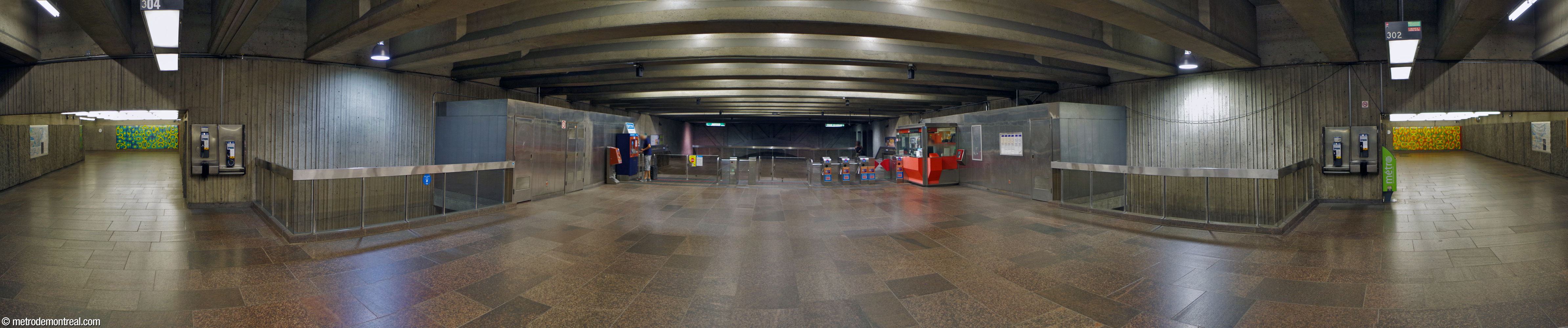
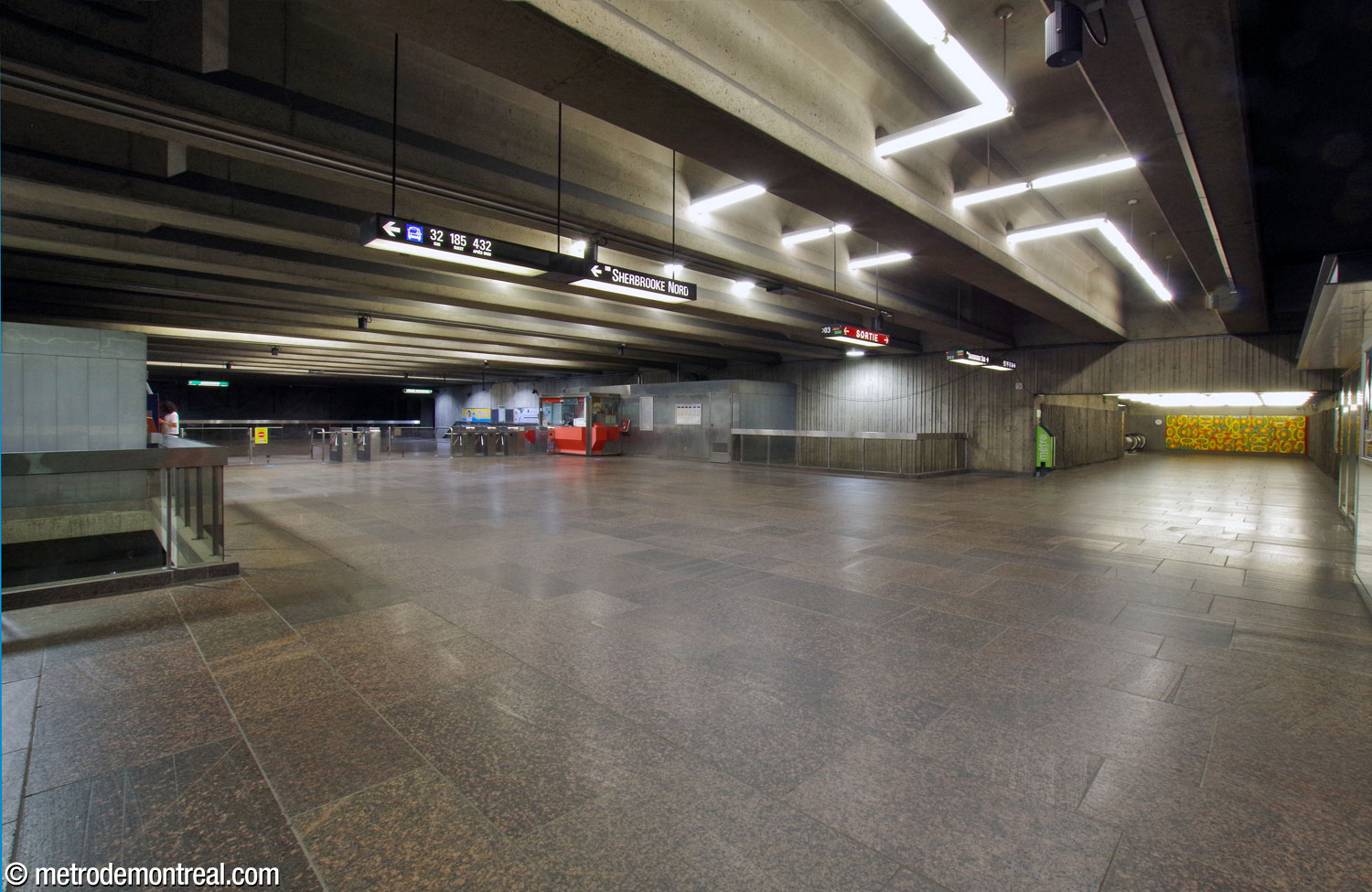
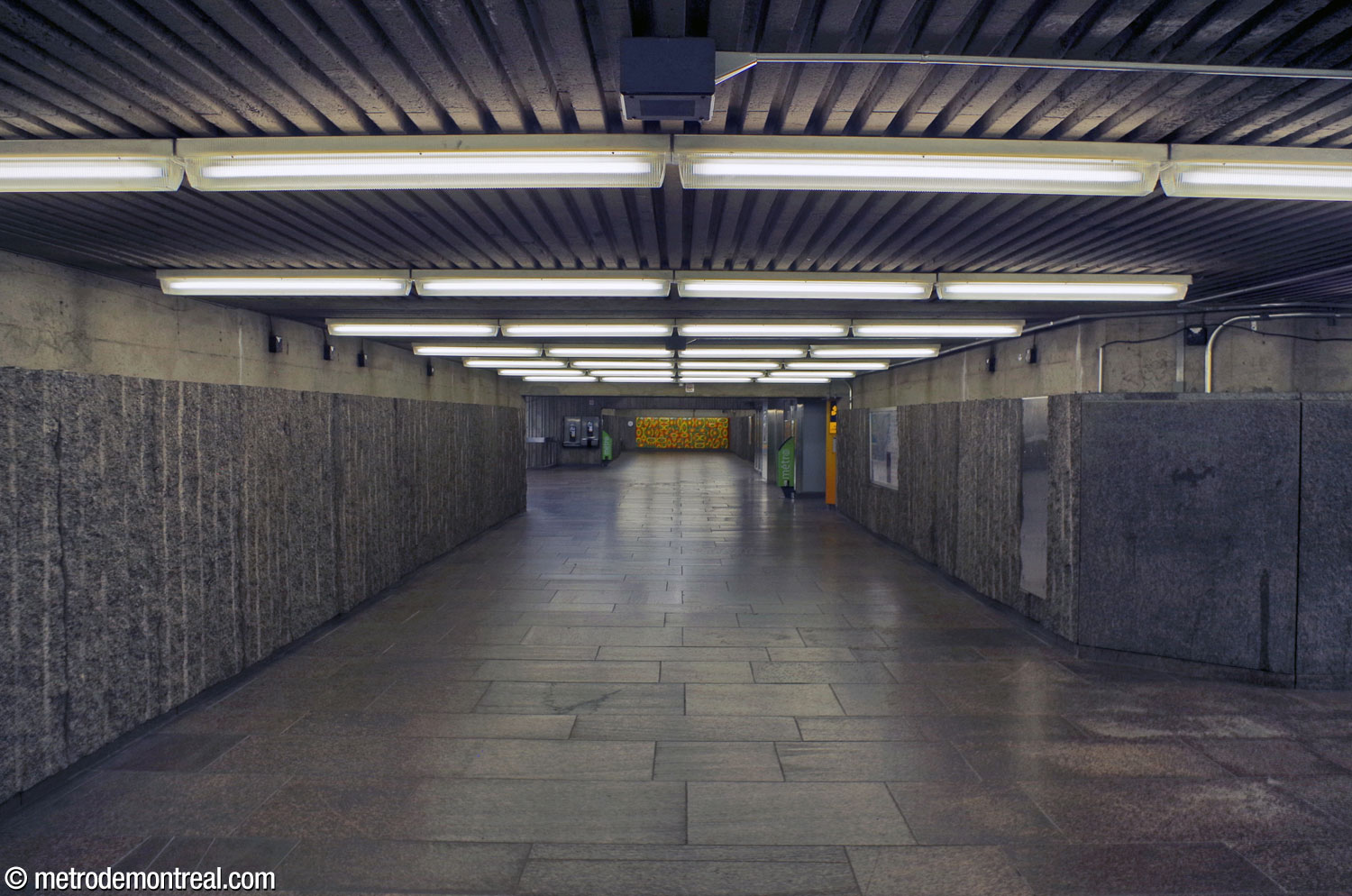
The rectangular ticket hall mezzanine leads symmetrically to walkways heading northward and southward from its western end to reach the headhouses. On the ceiling, the light fixtures, which unusually pass through holes in the concrete roof beams, fan out to subtly point the way.
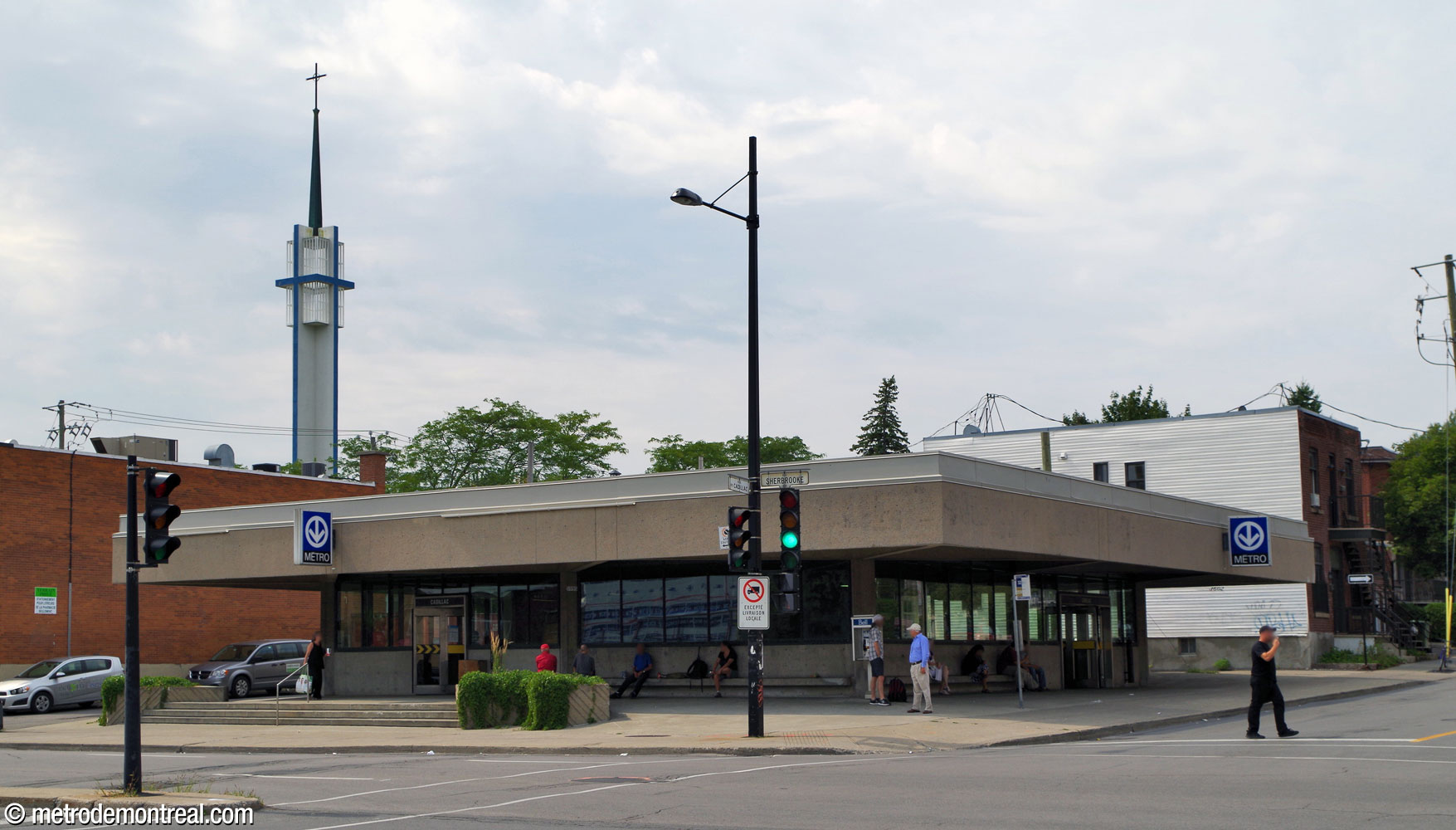
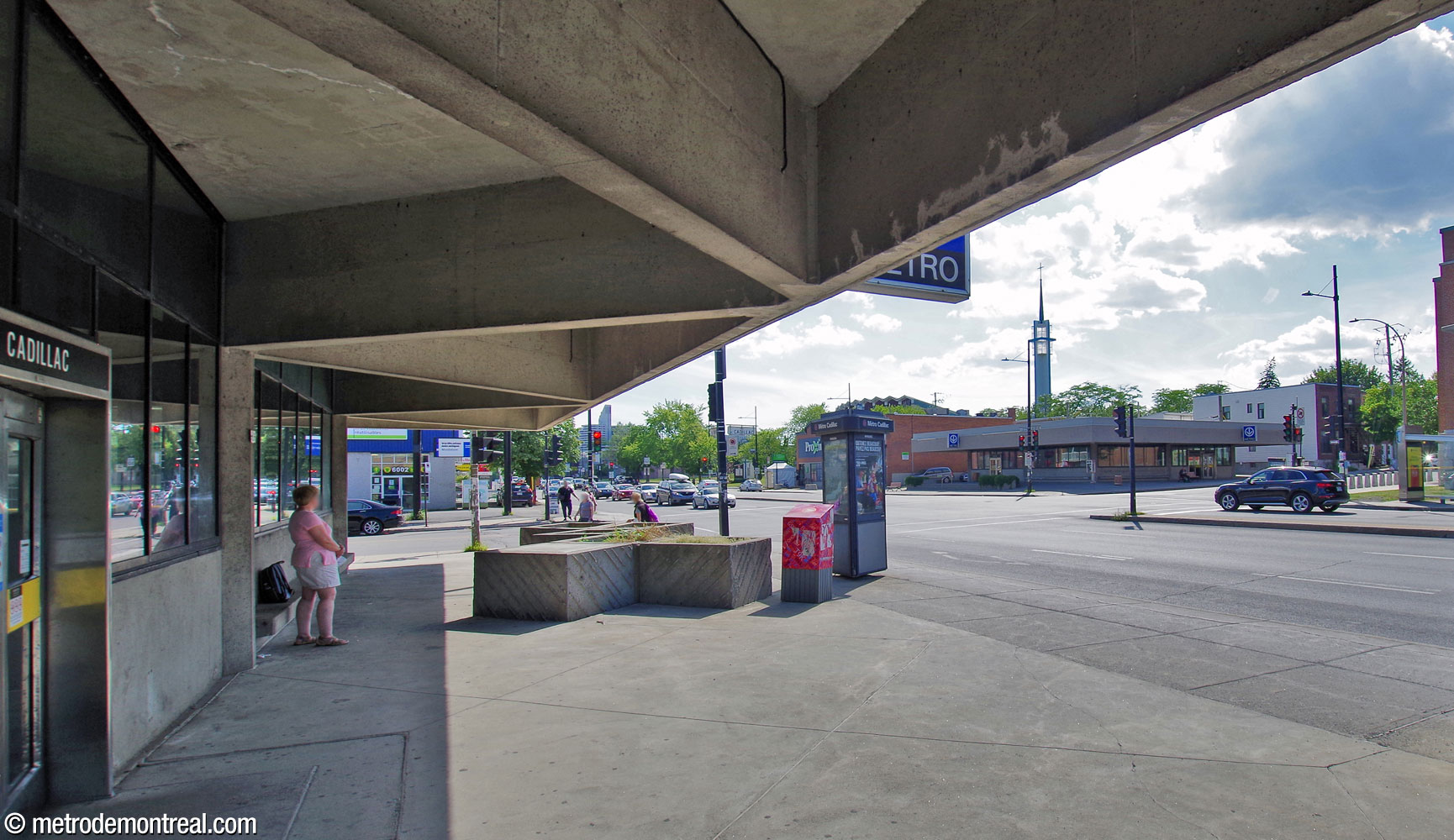
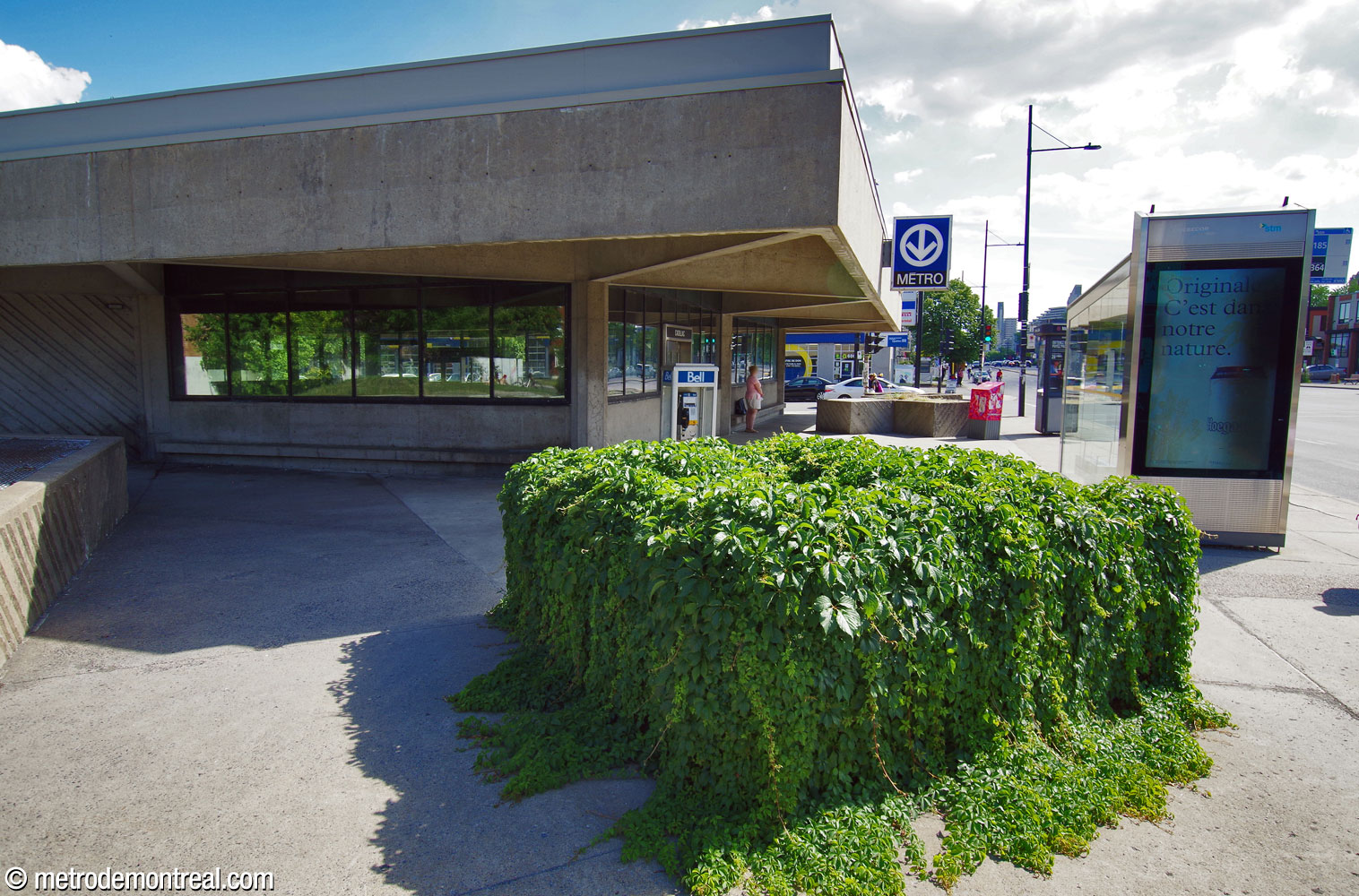
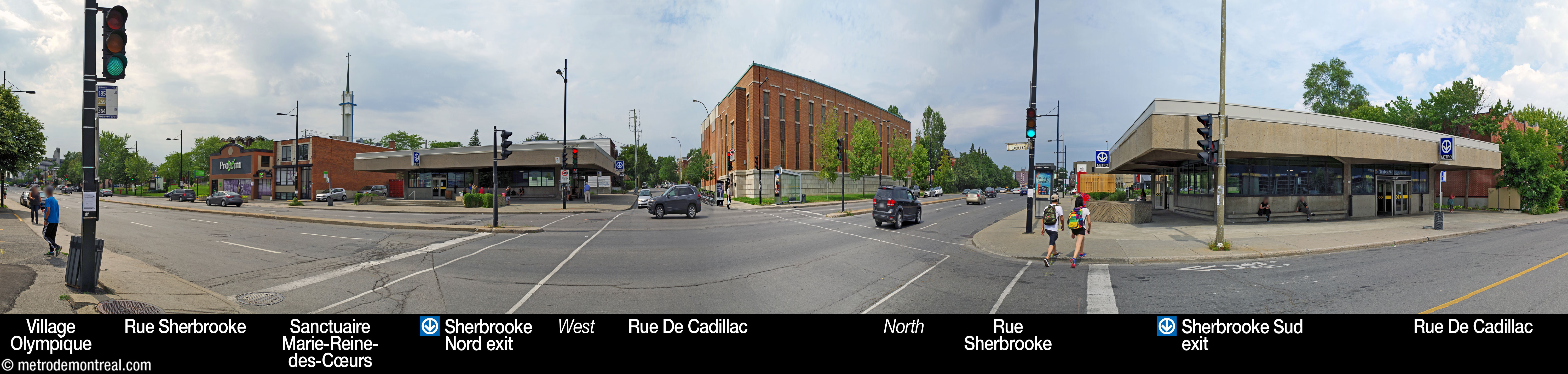
The station’s two identical square headhouses, are located diagonally across an intersection from one another. The concrete buildings are illuminated by windows along nearly their entire perimeter. The interiors are lined with the same dark grey granite used elsewhere in the station, with benches along some of the walls. The overhanging roofs, characteristic of the stations of this era, feature square coffers set at a 45-degree angle to form diamonds. Around the headhouses, the planters and even the joints in the concrete pavement repeat the size and shape of the roof coffers, a subtle and interesting harmony.
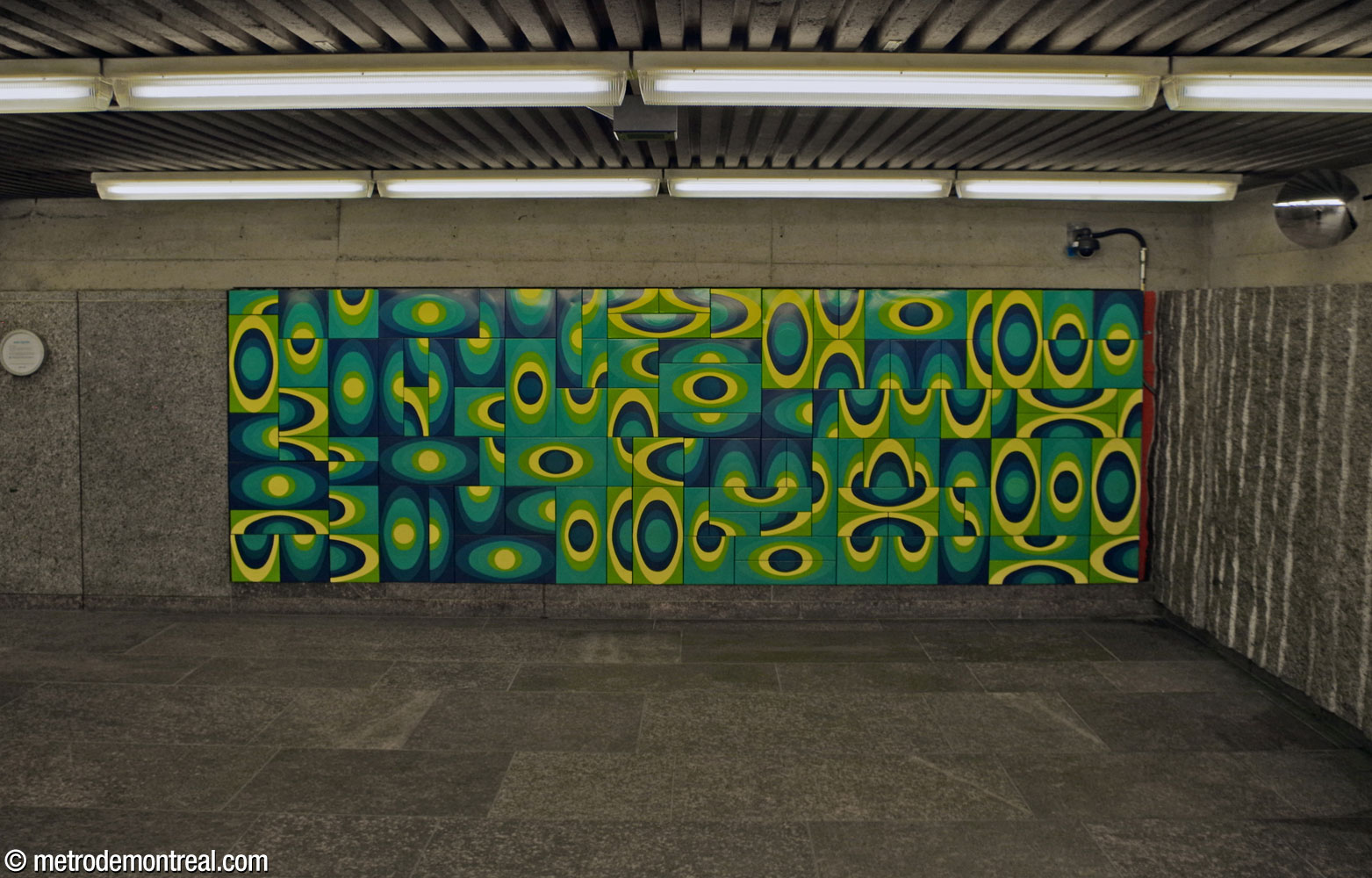
The station’s sole touch of colour is provided by the two abstract murals on either side of the mezzanine, in the tunnels leading to the entrances. The one to the south is predominantly yellow-orange, and the one to the north predominantly blue-green. The pieces are designed so they can be removed and shuffled around; originally, this was to be done three times a year,1 but this has apparently not happened for many years.2 The murals, in fired enamel on steel, are signed Jean Cartier.
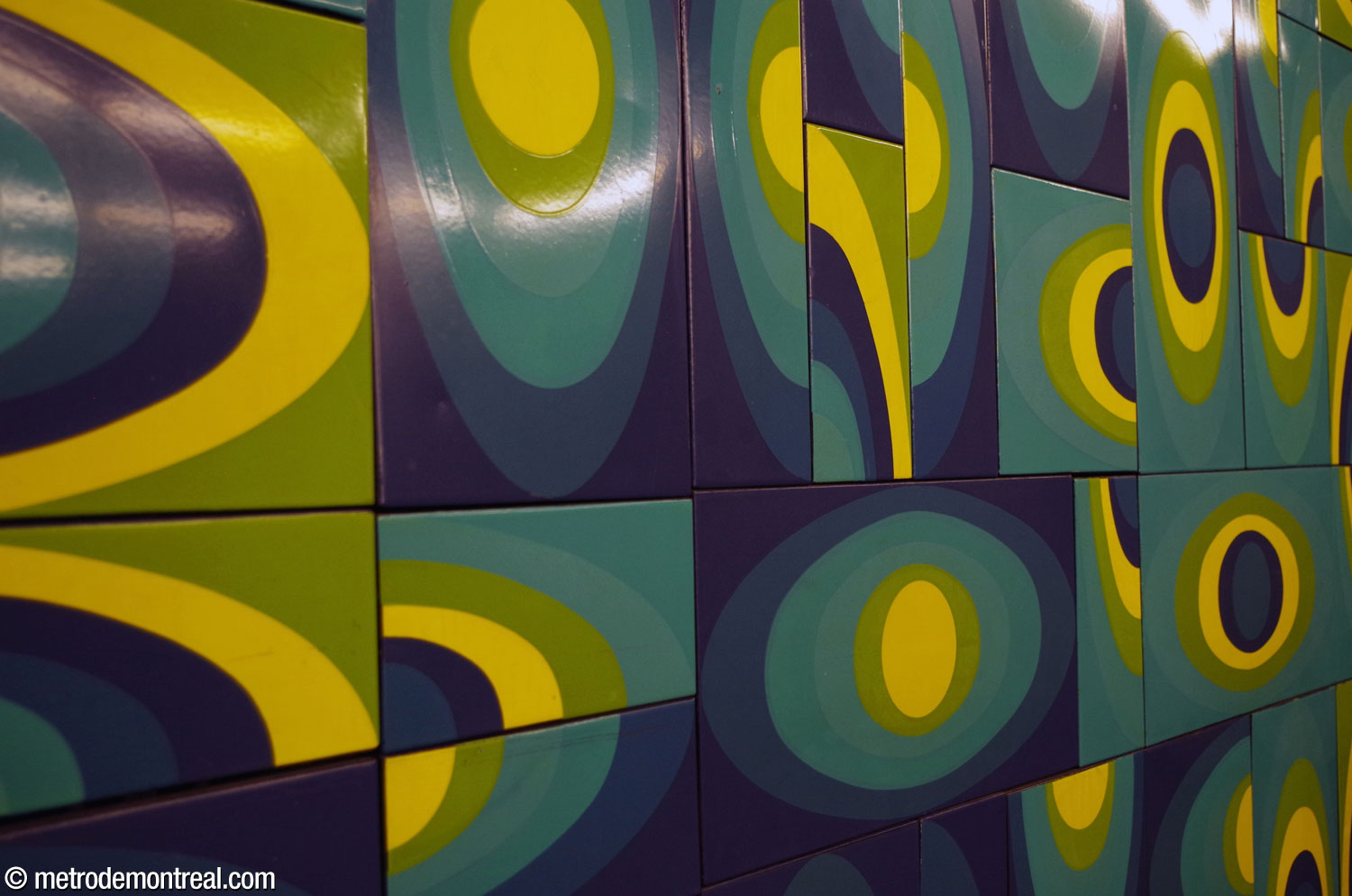
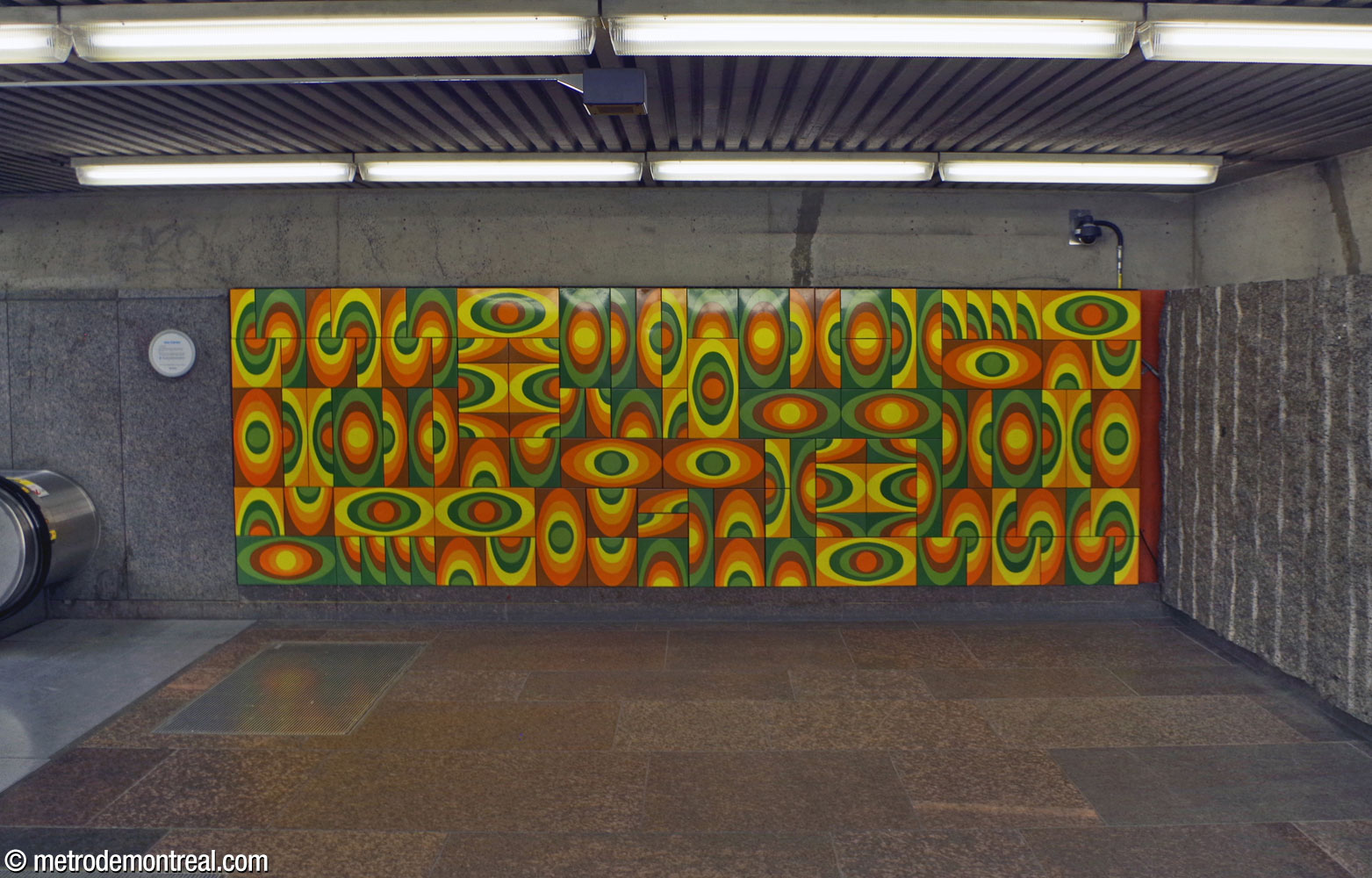
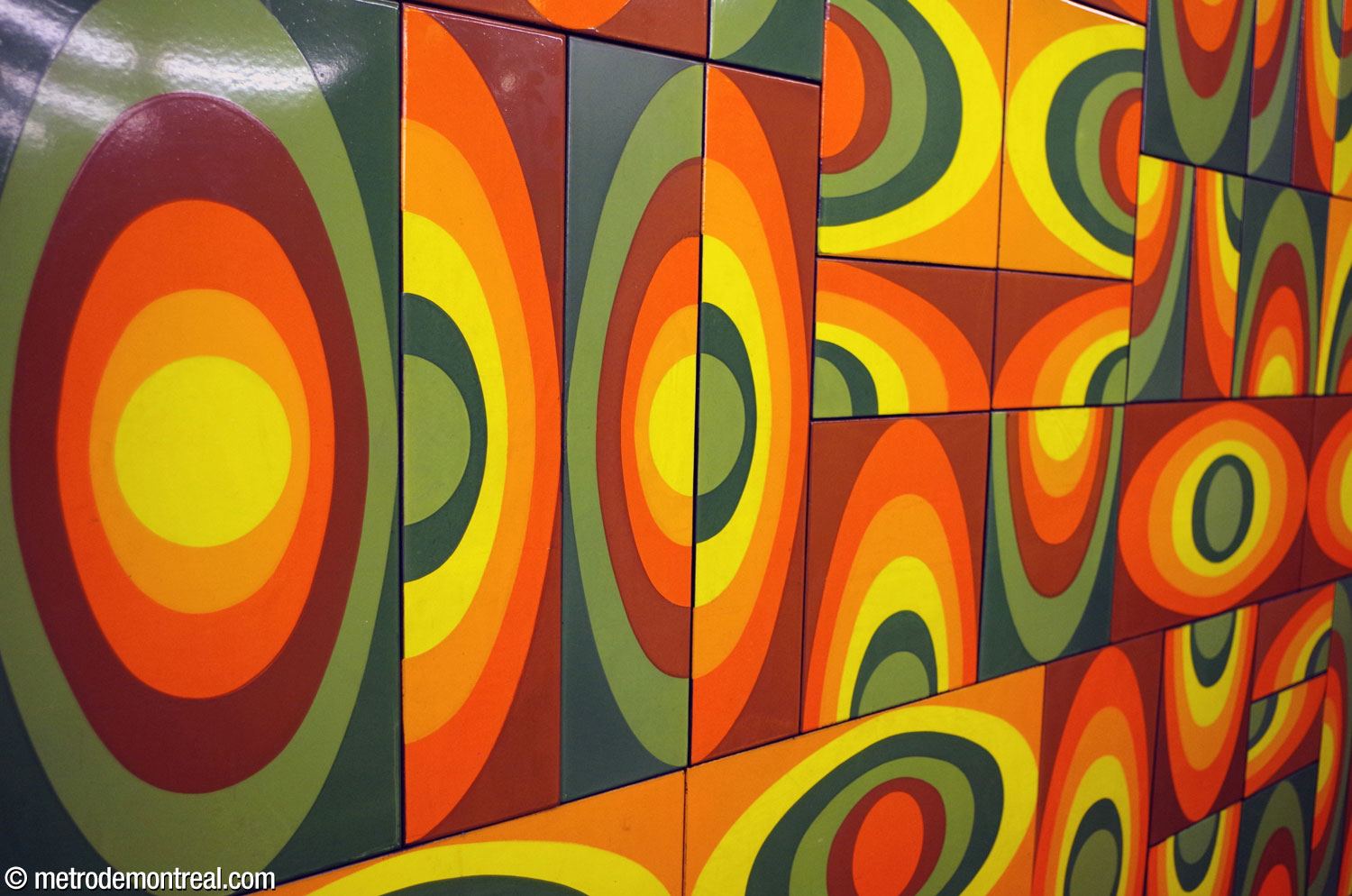
This station’s conservative design is by some distance the least interesting of the eastern extension of the green line.

Accessibility
This station is not currently wheelchair-accessible. In the STM’s 2020-2029 capital expenditures program, this station was targeted for the installation of elevators by 2027. However, it no longer appears in the 2023-2032 program, the construction of new elevators has stalled due to budget cuts by the provincial government,3 and no construction work has yet been announced.
According to the Plan de développement d’accessibilité universelle de la STM 2012-2015 (p. 40), the predicted complexity of adding elevators at this station was rated as moderate (estimated cost $13-$18 million).
History & Trivia


Platform Depth
12.2 m deep
44th deepest station

Interstation Distances
To Assomption: 781.69 metres
To Langelier: 518.51 metres
Origin of the Name
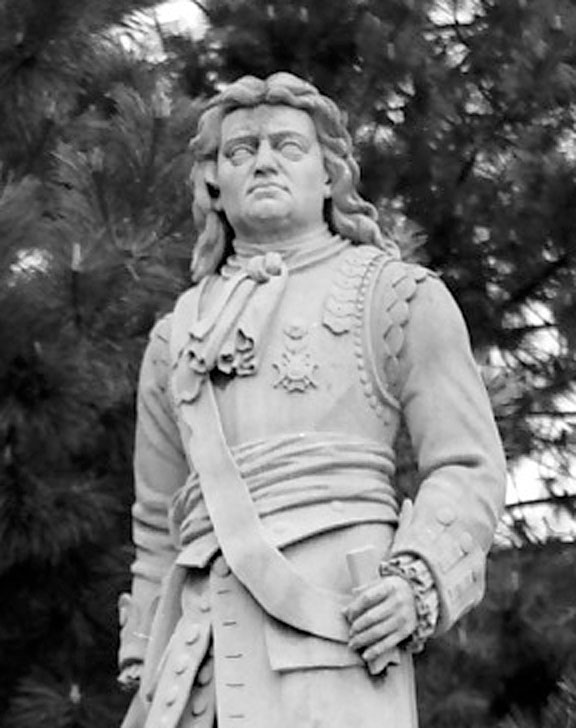
Rue De Cadillac. Antoine Laumet (1658-1730), an eccentric and controversial figure in the history of New France, gave himself the fanciful name and title “de Lamothe, sieur de Cadillac.” He arrived at Port-Royal, Acadia, in 1683. Governor Frontenac made him a lieutenant and later a captain, and in 1694 he was named commander of the fort of Michillimakinac, at the junction of lakes Michigan and Huron at the northern tip of the lower peninsula of Michigan.
In 1698 he returned to France to convince the Comte de Pontchartrain to permit him to found the colony of Detroit, which he commanded from 1701 to 1710. He was then named governor of Louisiana, but returned to France in 1717, where he died.
The street name first appears in Lovell’s Montreal Directory in 1909.4
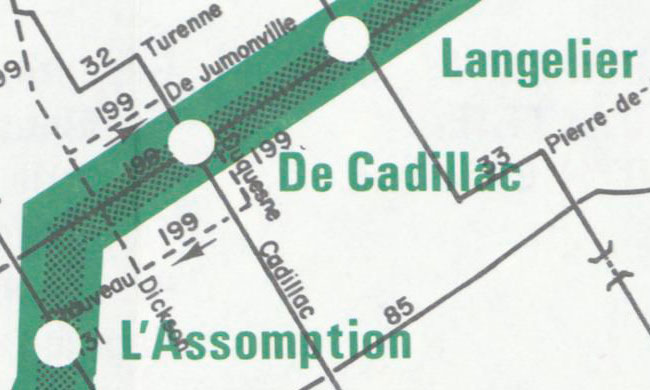
Rare variant: De Cadillac. The station was named Cadillac from its beginning, but official network maps from 1982 to 1986 called it “De Cadillac.” Also, when the Commission de toponymie du Québec altered the official use of prepositions in several station names in May 2014 before reverting to the previous names in November 2014, the name “station De Cadillac” was briefly official.5
The “De” in “rue De Cadillac” is known as a “nobiliary particle” since it indicates a noble title (albeit one that “Sieur” de Cadillac invented for himself). According to usual toponymic practice, when “de” or “du” is a nobiliary particle, it is capitalized and included in derived toponyms. Accordingly, this station should normally have been named “De Cadillac” from the start (compare De Castelnau and D’Iberville). However, usage can be quite variable; compare Frontenac, named for the Comte de Frontenac.
Trivia
- Instead of the murals by Jean Cartier that were ultimately installed, the station was originally meant to be decorated with photographs of neighbouring buildings.8
- In 2022, the pronunciation of the station’s name was changed in the STM’s vocal announcements. It had previously been pronounced \ka.di.lak\ “cadi‑lac,” similar to the English pronunciation (or that of the car make); it was changed to the standard French pronunciation of the name, \ka.di.jak\ “cadi‑yac”.9
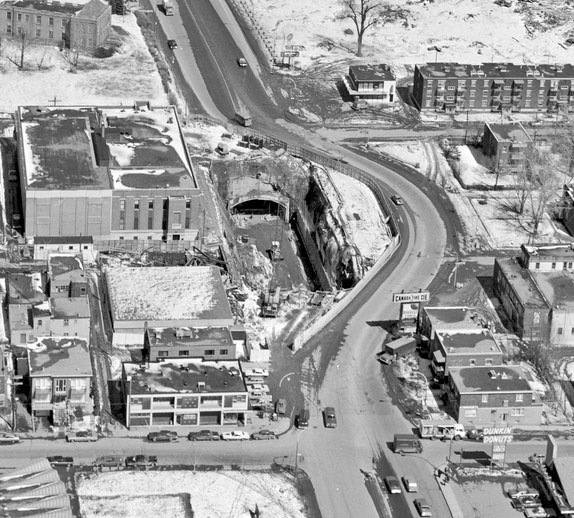
The station excavation during construction
(Source10)
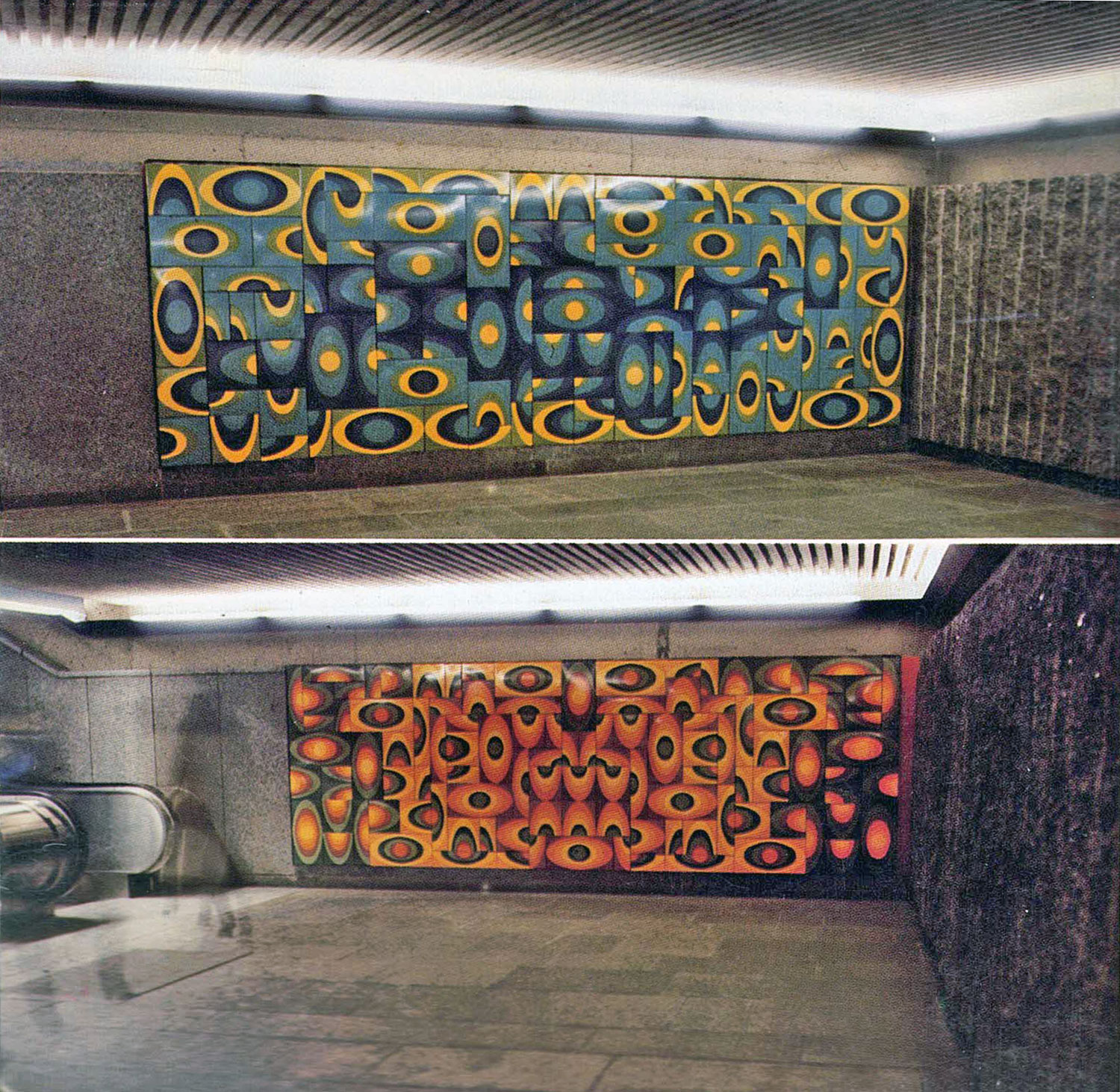
Photos of Jean Cartier’s murals circa 1982, showing the movable panels in a different configuration from today
(Source11)
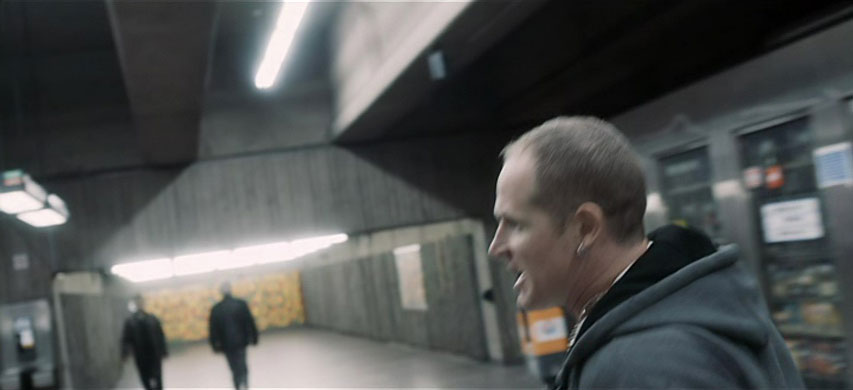
General Information
Platform diagram
Most convenient metro cars to use when travelling to this station

Station surroundings
Station address
Borough of Mercier–Hochelaga-Maisonneuve
Sherbrooke Nord entrance: 5995 Rue Sherbrooke Est, at Rue De Cadillac
Sherbrooke Sud entrance: 3315 Rue De Cadillac, at Rue Sherbrooke
Nearby attractions |
Official website
Service information, opening hours, frequency, bus routes

Most recent update: October 9, 2026
References
- Clairoux, Benoît. (2002, November 6.) “Les secrets des stations de métro.” En Commun, vol. 12, no. 18, p. 3. ↩
- The author has photos of the murals taken in 2001 that show the same configuration as today. ↩
- Ouellette-Vézina, Henri. (2025, April 16). “Faute de financement: L’installation d’ascenseurs encore à l’arrêt dans le métro.” La Presse. ↩
- Lovell’s Montreal Directory for 1909-10. (1909). Montreal: John Lovell & Son. Bibliothèque et Archives nationales du Québec, 0005993752. Listings on Cadillac found in the Alphabetical Directory (e.g., Armstrong, Geo. E., p. 703). ↩
- Fiche descriptive : Station Cadillac. Commission de toponymie du Québec. ↩
- Julius Theodore Melchers. Statue of Antoine Cadillac. 1874. Limestone. Wayne State University, Detroit, Michigan. Photo by Einar Einarsson Kvaran (Carptrash), Wikimedia Commons. Used under the Creative Commons CC-BY-SA 3.0 Unported License. ↩
- Image source: CTCUM. (1983, January). Plan du réseau C.T.C.U.M. Bibliothèque et Archives nationales du Québec, 0006813063. ↩
- Les Architectes Longpré Marchand Goudreau Dobush Steward Bourke. Station de métro Cadillac (presentation document for the Bureau de transport métropolitain). October 21, 1971. Archives de la Ville de Montréal, dossier CA M001 XCD001-D19, item 1D-06-01-08F. ↩
- STM—Mouvement collectif. Facebook post, August 22, 2022, and reply, August 23, 2022. ↩
- Photograph by Paul-Henri Talbot, La Presse, April 8, 1974. Fonds La Presse. Bibliothèque et Archives nationales du Québec, 06M,P833,S5,D1974-0143, no. 16. ↩
- Image source: Bureau de transport métropolitain. (1983). “Cadillac” [pamphlet]. ↩
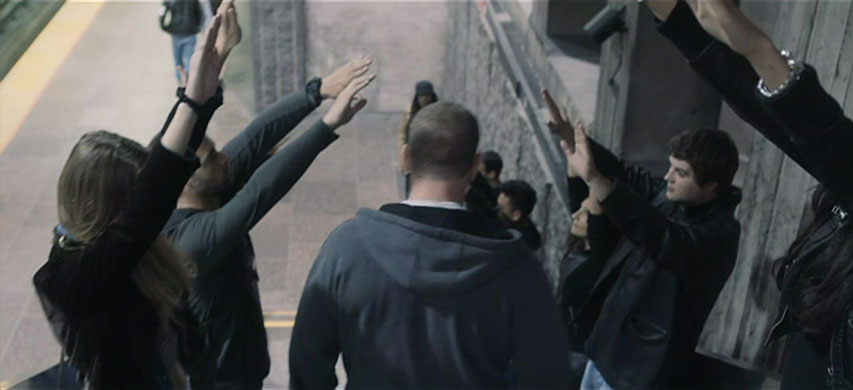
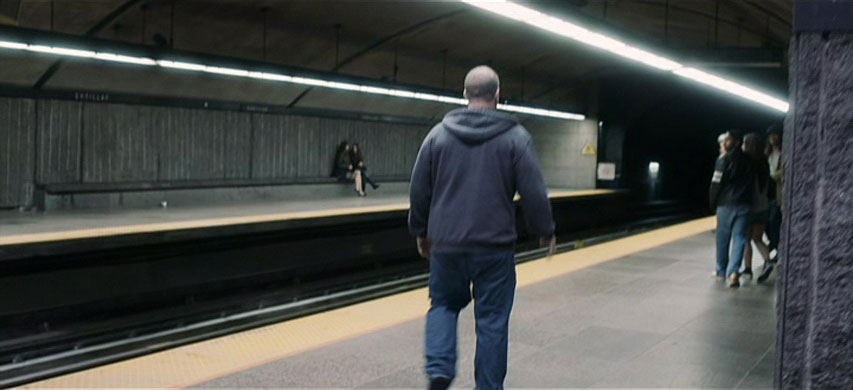
- Images © 2016 Les Films Séville Inc. ↩
